NUBRI and Mycetoma Research Centre Host Intensive Molecular Diagnostics Training Course in Khartoum
Khartoum, Sudan – A high-level, intensive Molecular Diagnostics Training Course was successfully conducted recently, marking a significant step forward in strengthening Sudan’s biomedical and public health capabilities.
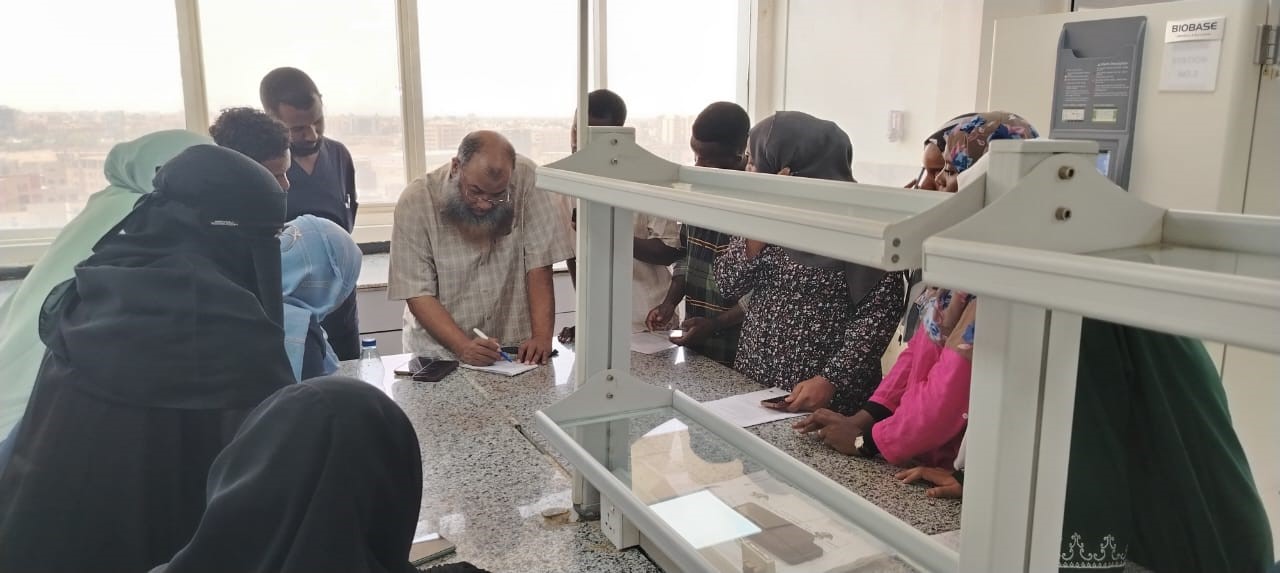
The prestigious programme was organised by the National University Biomedical Research Institute (NUBRI) at the National University-Sudan (NUSU), delivered in close collaboration with the Mycetoma Research Centre (MRC) at the University of Khartoum—a designated WHO Collaborating Centre for Mycetoma. Designed to provide comprehensive end-to-end training, the course integrated core modules on extraction, PCR, and gel electrophoresis with an immersive clinical site visit to the MRC at Soba University Hospital.
The course was delivered by Prof. AbdAllah Ahmed, a pioneering expert in the field, whose expertise provided participants with invaluable insights into advanced diagnostic methodologies.
Bridging Theory and Practice for Public Health Reconstruction
The primary goal of the workshop was to bridge the gap between complex genomic theory and hands-on laboratory practice, thereby strengthening the diagnostic infrastructure for infectious and neglected tropical diseases (NTDs). Building a robust cadre of laboratory scientists skilled in these techniques is a critical necessity for both immediate patient management and post-conflict public health reconstruction within Sudan.
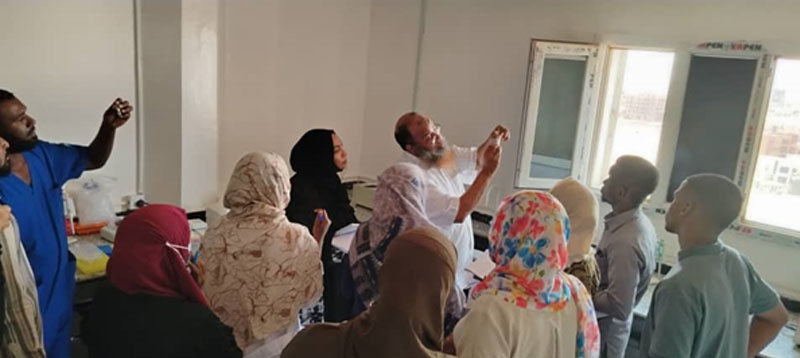
Recognising the importance of building capacity outside the capital city, the workshop intentionally drew a diverse group of participants—including medical laboratory scientists, clinical researchers, and postgraduate scholars—from multiple higher education and healthcare institutions across various states of the country.
Comprehensive Three-Day Curriculum
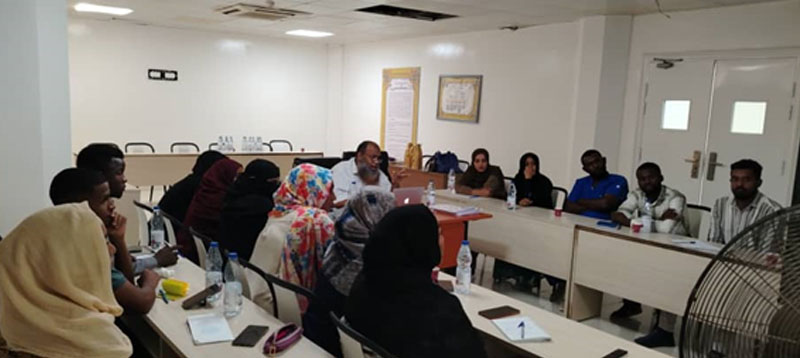
The intensive three-day programme combined interactive, theoretical lectures at the National University’s Center for Professional Development (CPD) with rigorous, practical laboratory sessions and an immersive clinical site visit.
The training focused heavily on the step-by-step workflow of nucleic acid analysis:
- DNA/RNA Extraction and Isolation: Mastering quality control parameters, assessing purity ratios via spectrophotometry, and minimising cross-contamination risks.
- Polymerase Chain Reaction (PCR) Technologies: Designing target-specific primers, optimising thermal cycling protocols, and troubleshooting conventional, multiplex, and real-time (qPCR) assays.
- Gel Electrophoresis and Amplicon Visualisation: Preparing matrices, executing fragment separation, and analysing band patterns against molecular weight ladders.
Clinical Field Site Visit: Mycetoma Research Centre (MRC)
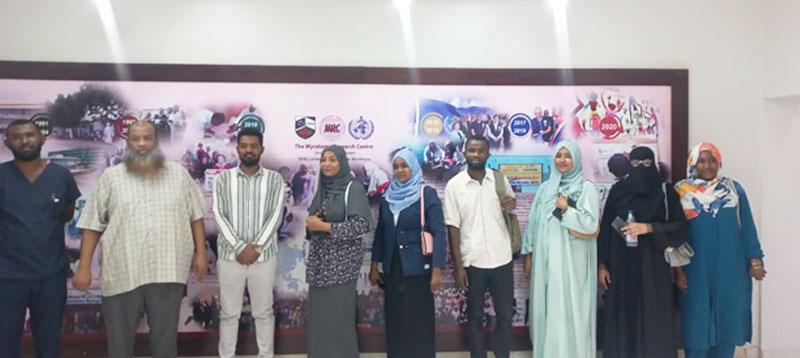
An essential component of the course was a field visit to the Mycetoma Research Centre at Soba University Hospital. During this clinical immersion, participants transitioned from pure laboratory theory to real-world patient care through:
- Ward Rounds: Trainees observed the complex clinical manifestations of mycetoma and appreciated the difficulty of distinguishing fungal from bacterial forms solely by physical examination.
- Expert Consultations: Participants engaged in technical discussions with MRC experts on how molecular assays (such as pan-fungal PCR and sequencing) are currently deployed alongside histopathology and imaging to guide life- and limb-saving therapeutic decisions.
Acknowledgements
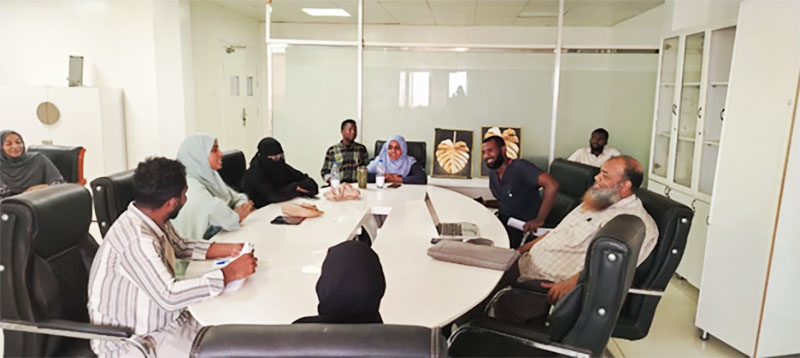
The Organising Committee extends its sincere appreciation to Prof. Abdallah Ahmed for his academic supervision, to the leadership of NUBRI and NUSU for hosting the event at the CPD, and to the administration of the Mycetoma Research Centre for providing invaluable clinical access and expertise.