
One Health Centre
The One Health Centre is a multidisciplinary, integrated platform dedicated to addressing complex health challenges at the human–animal–environment interface. Established to respond to emerging and re-emerging health threats, the Centre unites expertise from public health, veterinary medicine, environmental sciences, epidemiology, and policy sectors to drive coordinated, evidence-based action.
We strengthen collaboration across sectors to tackle antimicrobial resistance (AMR), climate-sensitive health risks, neglected tropical diseases (NTDs), and zoonotic diseases. Serving as a national and international hub for research and training, we prioritise fragile and resource-limited settings where fragmented responses often undermine preparedness.
By bridging institutional gaps and enhancing early detection systems, the Centre contributes to improved public health outcomes, resilient health systems, and enhanced national health security.
Our Objectives
| Pillar | Focus Area |
| Integrated Surveillance | Developing joint systems and applied research for zoonoses, AMR, NTDs, and climate risks. |
| Workforce Development | Building technical leadership across human, veterinary, and environmental sectors through mentorship and simulation. |
| Policy & Governance | Aligning national strategies with global frameworks to promote evidence-based policymaking. |
| Community Engagement | Enhancing public awareness and strengthening early reporting of health threats through risk communication. |
About Us
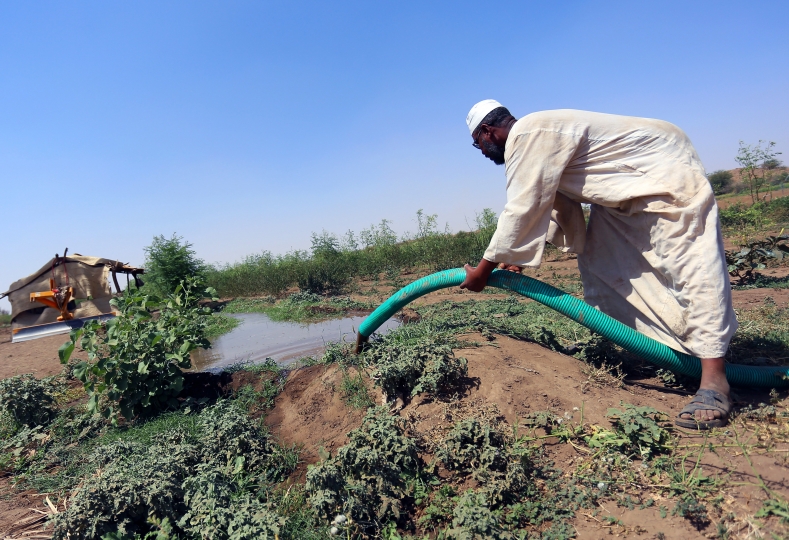
Sudan’s unique geographical and socio-economic landscape makes a One Health approach not just beneficial, but essential.
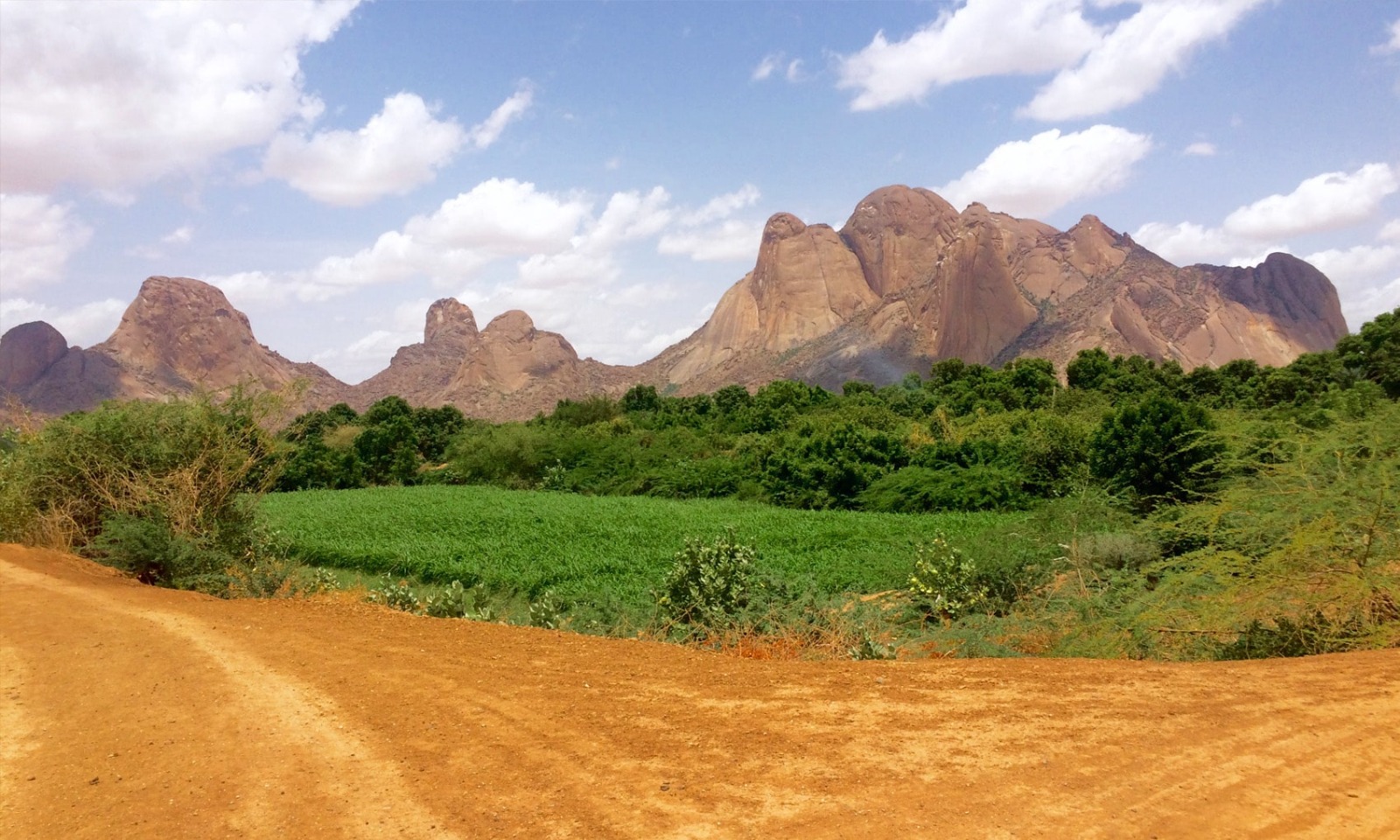
- The Landscape: Located in Northeast Africa and bordered by seven countries, Sudan features diverse ecosystems—from northern deserts to fertile Nile agricultural lands and western savannahs.
- The Economy: Agriculture and livestock are the backbone of our economy, creating constant, close interactions between humans, animals, and the environment.
- The Challenge: Sudan faces significant hurdles, including infectious diseases, the impacts of climate change, and the strain of prolonged conflict and displacement.
- The Solution: Currently, sectoral “silos” delay disease detection. Our Centre institutionalises cross-sectoral collaboration, aligning Sudan’s national action with global frameworks promoted by the WHO, FAO, UNEP, and WOAH.
Our Vision
To be a national and regional centre of excellence in advancing the One Health approach for resilient health systems, sustainable development, and improved public health security.
Our Mission
To prevent, detect, and respond to complex health threats through integrated surveillance, collaborative research, workforce development, and evidence-informed policy—guided by the principles of collaboration, equity, and sustainability.
Core Activities
- Formation of multi-sectoral One Health technical teams.
- Baseline risk assessments for priority health threats.
- Implementation of joint surveillance and data-sharing systems.
- Outbreak preparedness training and simulation exercises.
- Production of research publications and policy briefs.
- Hosting stakeholder forums and high-level policy dialogues.
Research
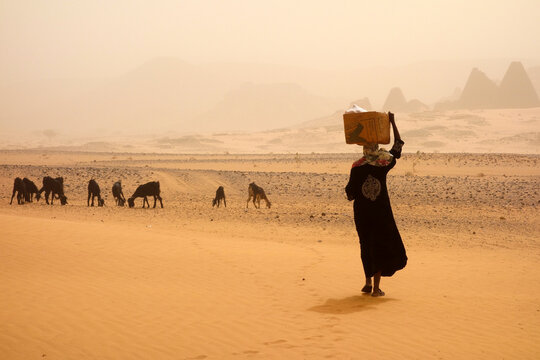
Our Research Priorities
The One Health Centre at the National University serves as a multidisciplinary hub for scientific discovery and policy engagement. Our research is organised into three strategic clusters, ensuring a comprehensive approach to Sudan’s most pressing health challenges.
Cluster I: Neglected Tropical Diseases & Local Impact
Focusing on high-burden diseases that disproportionately affect our rural and vulnerable communities.
- Mycetoma: Investigating the environmental and climatic drivers of this disabling disease to improve early detection and community-based surveillance.
- Snakebite Envenoming: Mapping human–snake interactions and improving access to life-saving antivenoms through epidemiological research.
- Trachoma: Supporting the SAFE strategy to eliminate infectious blindness, with a focus on water scarcity and environmental sanitation.
- Female Genital Schistosomiasis (FGS): Improving reproductive health outcomes by studying the freshwater ecosystems and snail hosts that drive transmission.
- Soil-Transmitted Helminthiases (STHs): Integrating WASH (Water, Sanitation, and Hygiene) interventions with school-based programmes to reduce parasitic burdens.
Cluster II: Global Health Security & Emerging Threats
Addressing risks that require integrated surveillance and international collaboration.
- Antimicrobial Resistance (AMR): Monitoring resistant pathogens across the human–animal–agriculture chain and promoting stewardship to safeguard medicine.
- Viral Febrile Diseases: Strengthening outbreak preparedness for vector-borne infections, particularly in urban and conflict-affected settings.
- Malaria: Tracking drug resistance and investigating how changing rainfall patterns affect mosquito breeding and transmission dynamics.
Cluster III: Integrated Knowledge Systems
Bridging traditional wisdom with modern scientific evidence.
- Traditional Medicines: Documenting indigenous knowledge and evaluating the safety and efficacy of natural remedies to support their integration into the formal healthcare system.
Our Structure
The One Health Centre is built on a framework of interdisciplinary synergy. By integrating research, technical expertise, and robust governance, we ensure that our response to health threats in Sudan is unified, efficient, and evidence-based.
- Governance & Leadership
Our leadership team provides the strategic oversight and financial integrity necessary to maintain a centre of excellence.
- Director of the Centre: Responsible for the overall strategic vision, national representation, and executive leadership.
- Scientific Advisory Board: An independent body of national and international experts ensuring our research meets the highest global standards.
- Administrative & Finance Office: Overseeing human resources, procurement, and transparent financial management.
- Monitoring & Evaluation (M&E) Office: Tracking our impact and ensuring all programmes reach their intended health outcomes.
- Grants Office: Dedicated to securing sustainable funding and managing international research partnerships.
- Core Technical Units
These five specialised units provide the functional backbone of the Centre, translating academic research into real-world public health action.
| Unit | Primary Function |
| Surveillance & Epidemiology | Leads disease mapping, outbreak investigation, and advanced data analysis. |
| Laboratory & Diagnostics | Strengthens local laboratory capacity to support rapid detection and research. |
| Training & Capacity Building | Organises professional development, workshops, and mentorship programmes. |
| Policy & Advocacy | Translates scientific data into policy briefs to engage with health authorities. |
| Community & Risk Communication | Drives public awareness, behavioural change, and stakeholder mobilisation. |
- Thematic Research Groups
Our priority health areas are managed by multidisciplinary teams. We believe that a problem like AMR or a Zoonotic outbreak cannot be solved by one discipline alone.
Each Research Group includes:
- Principal Investigator (Group Lead): A senior expert directing the research agenda.
- Multidisciplinary Co-investigators: A collaborative mix of medical doctors, veterinarians, and environmental scientists.
- Technical Support: Epidemiologists, biostatisticians, and laboratory specialists.
- Operations Team: Research assistants and field coordinators ensuring data integrity on the ground.
- Trainees: Postgraduate students and fellows, fostering the next generation of One Health leaders.