
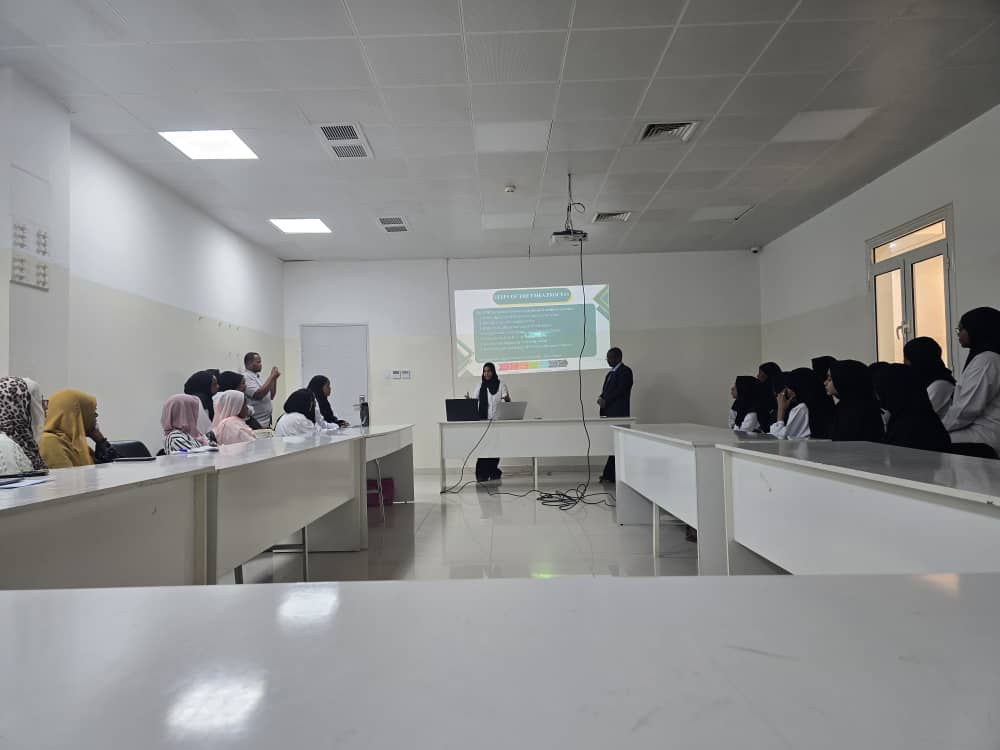
Quality Management at National University Headquarters Organizes Seminar on Failure Mode and Effects Analysis (FMEA)
The Quality Management Department at the National University Headquarters in Khartoum organized a scientific seminar titled “Failure Mode and Effects Analysis (FMEA)” as part of a series of seminars and workshops implemented by the department to disseminate a culture of quality and promote concepts of quality and continuous improvement within the university’s institutions.
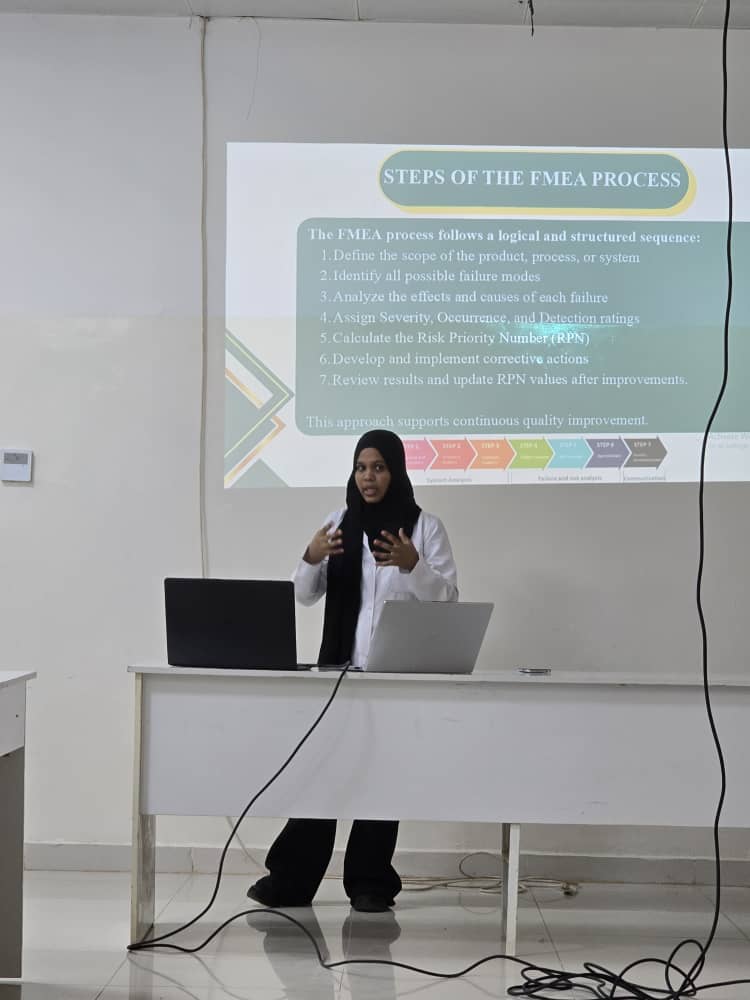
The seminar was presented by student Rawan Hussein (Second Year – Faculty of Medicine and Surgery) and covered the definition of the Failure Mode and Effects Analysis methodology, its importance in anticipating risks, improving institutional performance, and raising the efficiency of academic and administrative operations, in addition to reviewing practical models that contribute to supporting quality systems and accreditation.
The seminar focused on Failure Mode and Effects Analysis (FMEA), which is a proactive methodology used to ensure quality and manage risks. The main goal of this approach is to identify and predict potential errors before they occur.
The session covered several important technical aspects:
- Predicting Failures: Understanding how to anticipate mistakes to prevent them early.
- Risk Assessment: Explaining how to calculate the Risk Priority Number (RPN) based on three factors: Severity (S), Occurrence (O) (or frequency), and Detection (D) (the ability to detect the problem).
- Action Plans: Developing effective strategies to eliminate or reduce the negative effects of failure.
- Practical Benefits: Highlighting the overall advantages of implementing FMEA to improve quality.
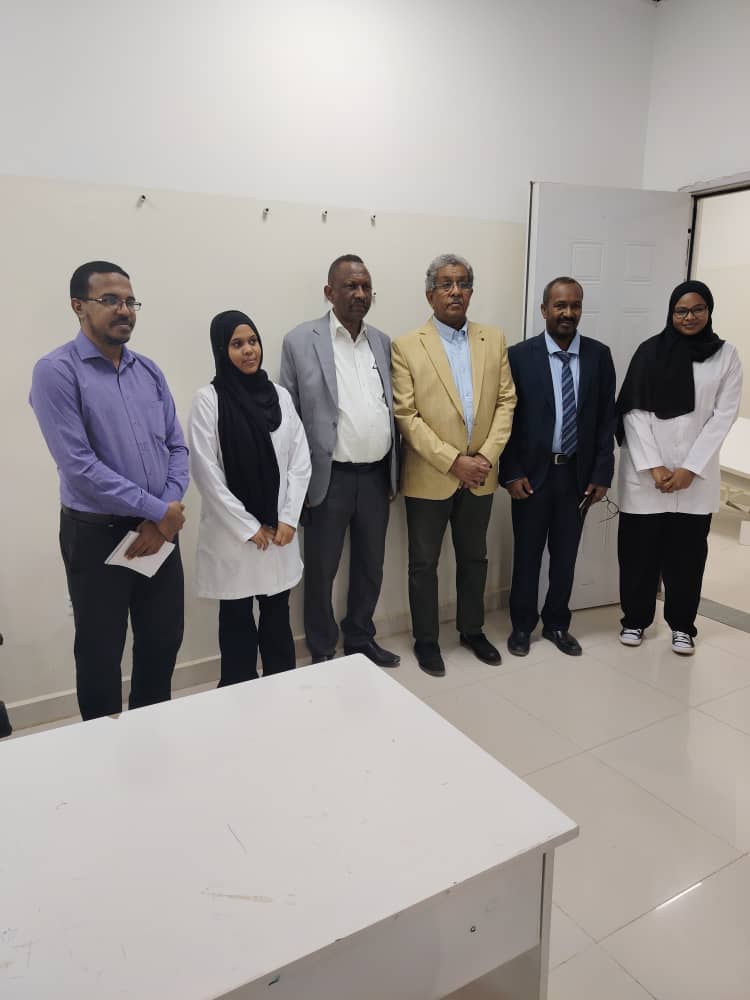
The seminar was attended by the University President, Professor Ahmed Hassan Fahal, a number of academic and administrative leaders, and university staff, with fruitful interaction and discussion on the role of quality tools in achieving institutional excellence and consolidating a culture of comprehensive quality.